There are many different employment opportunities in today's constantly changing job market. Blue-collar work is important, even though many people strive for corporate positions. Blue-collar jobs encompass a range of manual tasks, often associated with skilled trades and labor-intensive work. Blue-collar jobs have traditionally been considered the backbone of many industries, including construction, manufacturing and transportation. These jobs require strong physical skills, technical know-how, and a commitment to hard work. Blue-collar work has evolved over the years to include a variety of professions from electricians and plumbing to machinery operators and mechanics.
The Most Common Complaints About Good Blue Collar https://mansbrand.com/importance-of-the-blue-color-jobs-in-the-future-us-economy/ Jobs, And Why They're Bunk
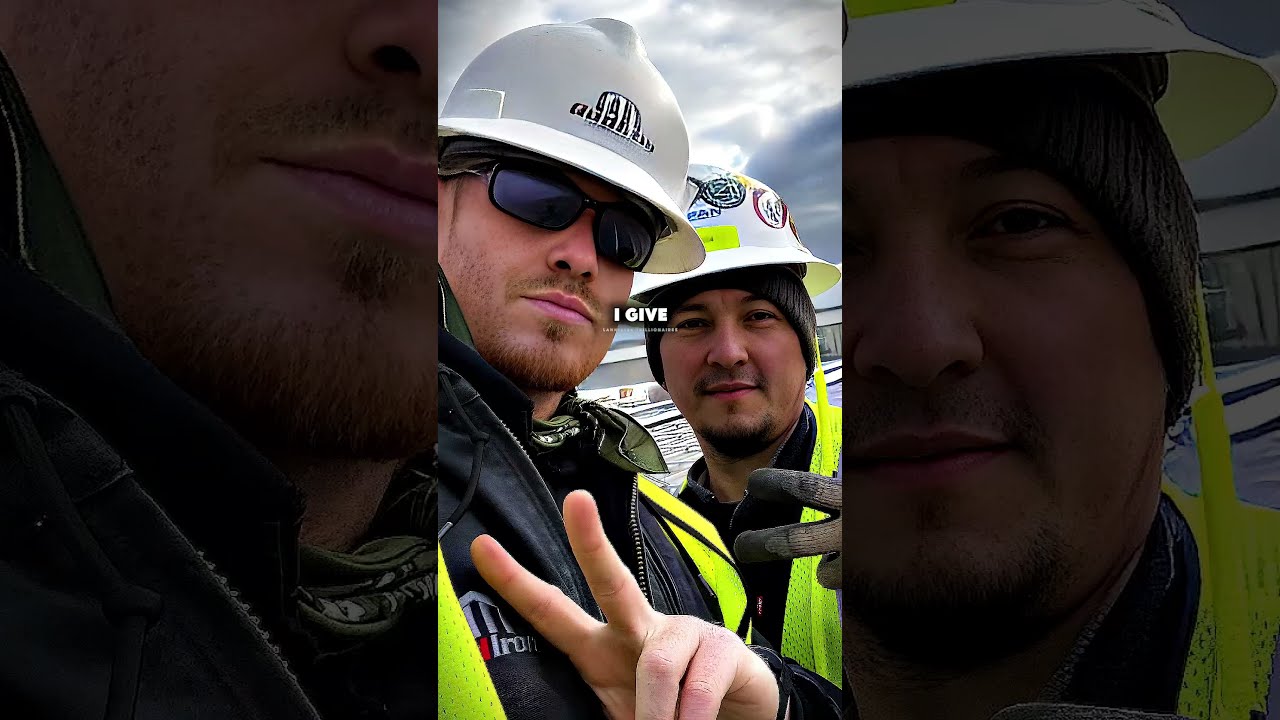
One of the significant advantages of blue-collar jobs is the hands-on nature of the work. Unlike desk jobs that often involve sitting for extended periods, blue-collar roles entail being actively engaged, physically moving and using various tools or equipment to complete tasks. This kind of work offers a sense of fulfillment, as individuals can witness the tangible results of their labor.
Moreover, blue-collar jobs often provide an avenue for skill development and professional growth. Many individuals pursue vocational training or apprenticeships to enter these fields, learning specialized trades that are always in demand. This training not only provides them with valuable skills, but also opens up doors for career advancement.
20 Insightful Quotes About High Paying Blue Collar Jobs
Recently, there has also been a shift of perception about blue-collar work. As society becomes more appreciative of the essential services these professionals provide, the stigma attached to these occupations is slowly fading. With the growing emphasis on sustainability and environmentally-friendly practices, blue-collar jobs related to renewable energy, green construction, and waste management have seen a surge in demand.
While white-collar professions are often associated with higher educational requirements, blue-collar jobs offer a viable alternative for those who prefer practical work and enjoy the satisfaction of seeing their efforts come to life. These jobs offer stable incomes, attractive perks, and the chance to contribute to the development and growth of industries.
Many industries in the world have blue collar jobs. These types of jobs are typically associated with manual labor and require a certain level of technical skill or training. Unlike white collar jobs that involve working in office settings and primarily focus on administrative or managerial tasks, blue collar jobs are hands-on and often involve physical work.
20 Trailblazers Leading The Way In Blue Collar And White Collar Workers
Blue collar workers are employed in many industries, including manufacturing, construction, transportation and agriculture. They may work in factories, warehouses, construction sites, or other similar environments. These jobs are critical to the functioning of society as they involve building infrastructure, producing goods, and providing essential services.
What sets blue collar jobs apart is the emphasis on practical skills and specialized knowledge. These jobs often require specific training or certifications in welding, plumbing, electrical, machine operation, and carpentry. These skills are necessary for tasks that require the use of tools, machinery, and materials.
Blue collar jobs offer solid career opportunities and stability, allowing people to earn a living wage through hardwork and dedication. These jobs often offer opportunities for advancement and growth within the industry. They allow workers to acquire more specialized skill sets and take on higher paying positions.
7 Horrible Mistakes You're Making With Blue Collar Careers That Pay Well
Despite the perception that blue collar jobs are less prestigious than white collar jobs, they play a fundamental role in our economy and society. These jobs are vital to the economy, they contribute to growth and they help drive innovation across industries. These jobs offer an alternative path to success for those with a preference for hands-on work, or who have a natural aptitude in technical skills.
Ask Me Anything: 10 Answers To Your Questions About High Paying Blue Collar Jobs
Blue collar jobs are a broad range of professions requiring manual labor and specialized knowledge. They are essential to various industries and contribute significantly to the overall functioning of the economy. These individuals play a vital role in maintaining and building the infrastructure that we rely on. They also produce goods and provide necessary services.